Month: July 2011

  • Monday Moth

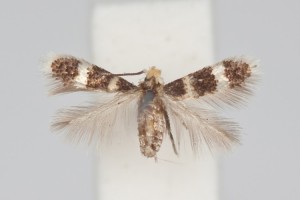
    This Monday I am departing from the usual Arctiinae for something completely different – a microlep!  This is a Nepticulidae, Stigmella diffasciae, and it measures in at a whopping 6 mm.  I can’t take credit for spreading this moth – all of the nepticulids I have photographed are from the California Academy of Sciences and spread by…

  • Jesus, aisle 4

    What would Jesus do if he had some free time – maybe cure a disease, end a war, or feed the starving – but nah, everyone sees that coming.  Why not shock them to the core – burn your face on a Walmart receipt!  At least, that’s what a couple in South Carolina believe to…

  • Frog Surprise

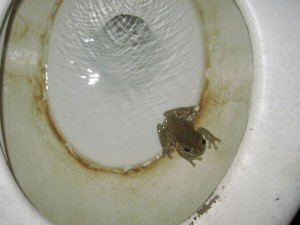
    Over on Arthropoda, fellow SFS blogger Michael Bok shared an image of his field buddy, Plugg the green tree frog.  My first thought was of a similar tree frog that haunted welcomed me everywhere I went in Santa Rosa National Park, Costa Rica.  Needless to say, Costa Rica instills a sudden habit of double checking everything…

  • Monday Moth

    I’ll keep the ball rolling with Arctiinae and post a photo today of Ctenucha brunnea.  This moth can be common in tall grasses along beaches from San Francisco to LA – although in recent decades the numbers of this moth have been declining with habitat destruction and the invasion of beach grass  (Ammophila arenaria).  But anywhere…

  • Curators Astounded!

    Well as you may have guessed the subject isn’t as shocking as my title suggests, but I couldn’t help but to spin from the Guardian article.  I really find it hilarious when I come across anything that says scientists are “astounded”, “baffled”, “shocked”, “puzzled”, – I guess that’s a topic for another time…  Nevertheless a…

  • Monday Moth

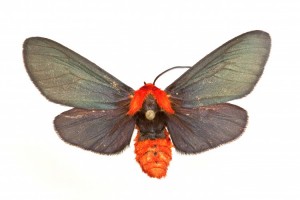
    Today’s moth is a beautiful and rare species from SE Arizona and Mexico: Lerina incarnata (Erebidae: Arctiinae).  Like many other day flying species it is brilliantly colored and quite likely aposematic.  After all, the host plant is a milkweed and the caterpillar is just as stunning (below).   This image of an old, spread specimen hardly…